Gradus ad Parnassum · Vienna, 1725
From the page
to the dataset.
Explore the music behind Fux’s lessons. Follow an example back to the print, see how its encoding was checked, and leave a review note.
A working research companion to Playable Books and the species corpus.
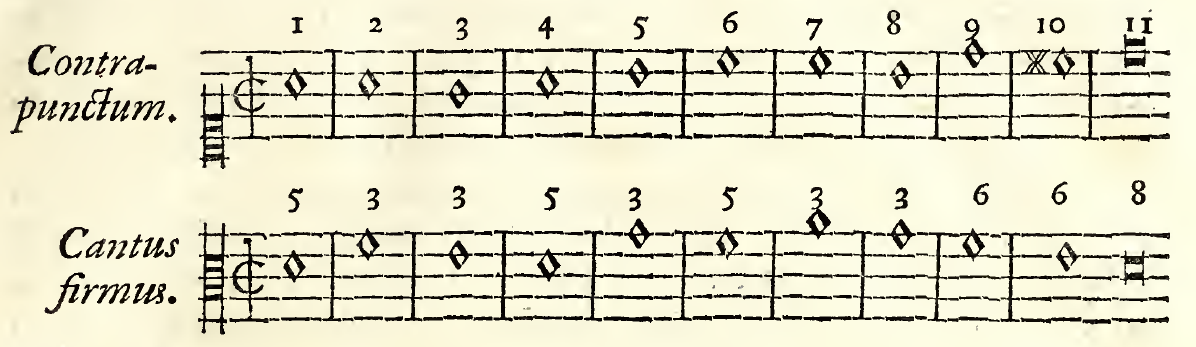
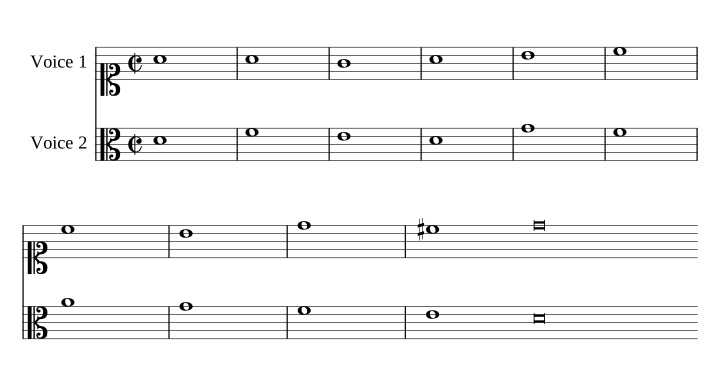
Two collections, different units
Know what
you’re counting.
The species corpus contains 123 complete exercises in two, three and four voices. Each has a canonical **kern score, metadata and a derived MusicXML file.
The reading edition follows the wider dialogue. Its files include complete examples, short illustrations, alternatives and longer passages on imitation, fugue and double counterpoint.
All 123 corpus exercises now have identified counterparts in the edition. Their closing note values differ, and those differences remain visible. Alternate readings and derived excerpts are counted separately.
Compare the 123 linked exercises →
Look beyond the species exercises →Start with a question
Three ways into the material
How does Fux build a lesson?
Filter by voices, species or modal final and compare the complete exercises.
Browse two-voice exercises →02 / THE CHECKSWhat does a disagreement mean?
Inspect the differences found between canonical and converted files. A difference is a prompt to look closer.
See the 10 flagged pairs →03 / THE SOURCEWhat happens when a clef is unclear?
Visit a recorded unresolved reading, examine its source, and see why playback is withheld.
Open the page-120 example →A process you can inspect
Read. Encode. Check. Review.
Models help interpret the page. Scripts test specific properties. Reviewing the source connects those checks back to the music.
Walk through the workflow →Research snapshot
Loading the catalogue provenance…